



The Main Event of the Year
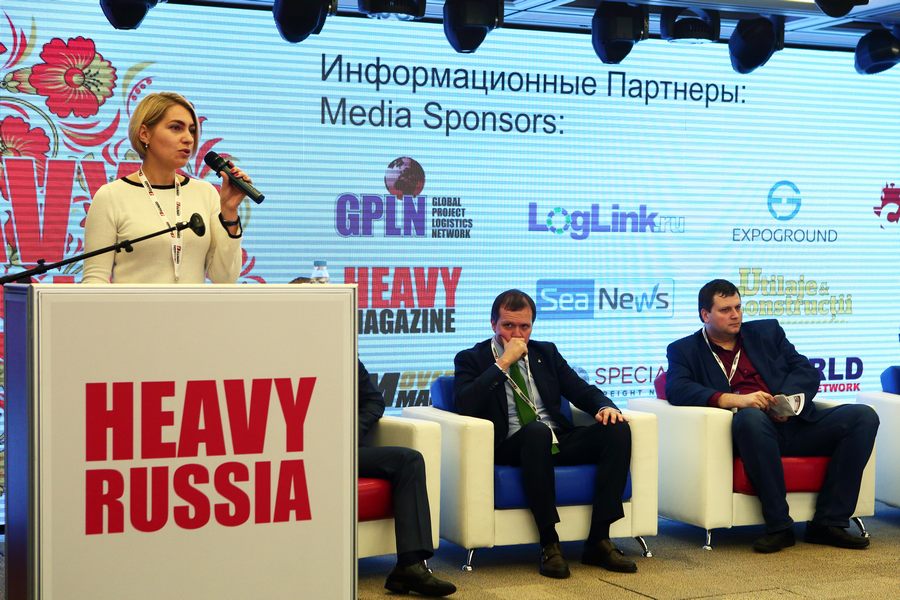
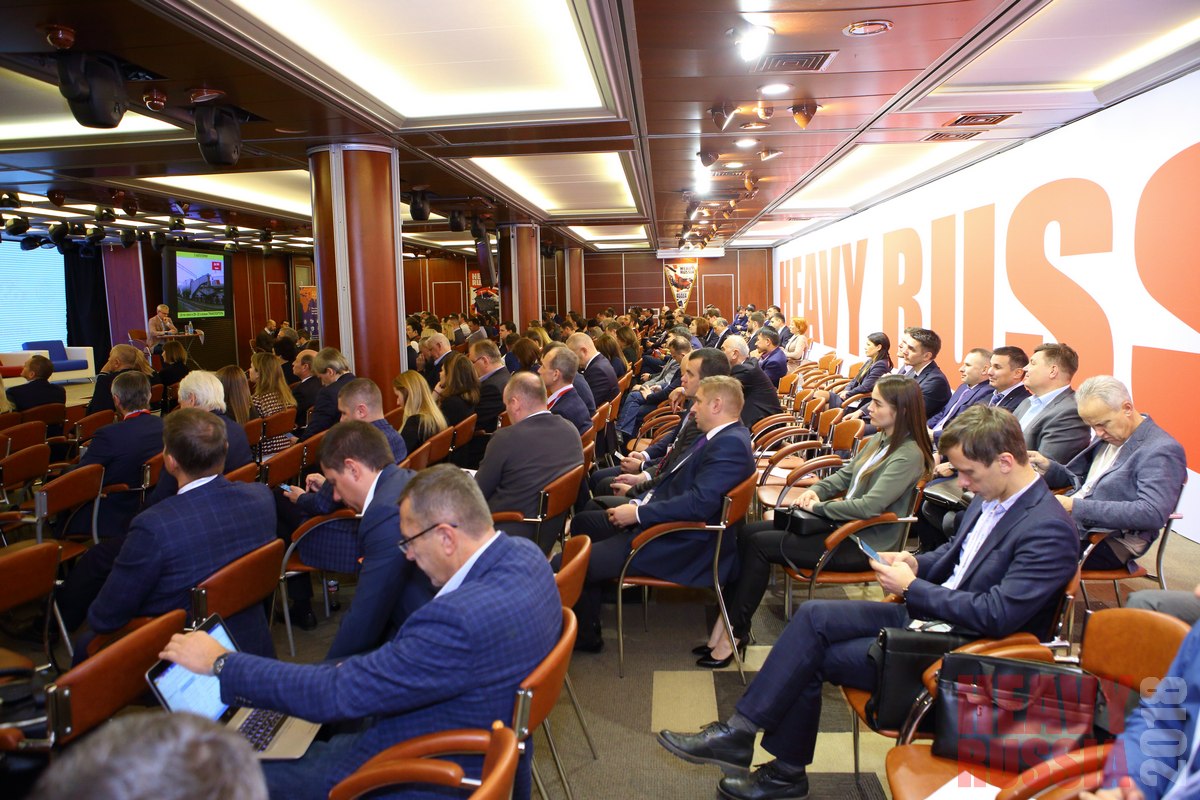
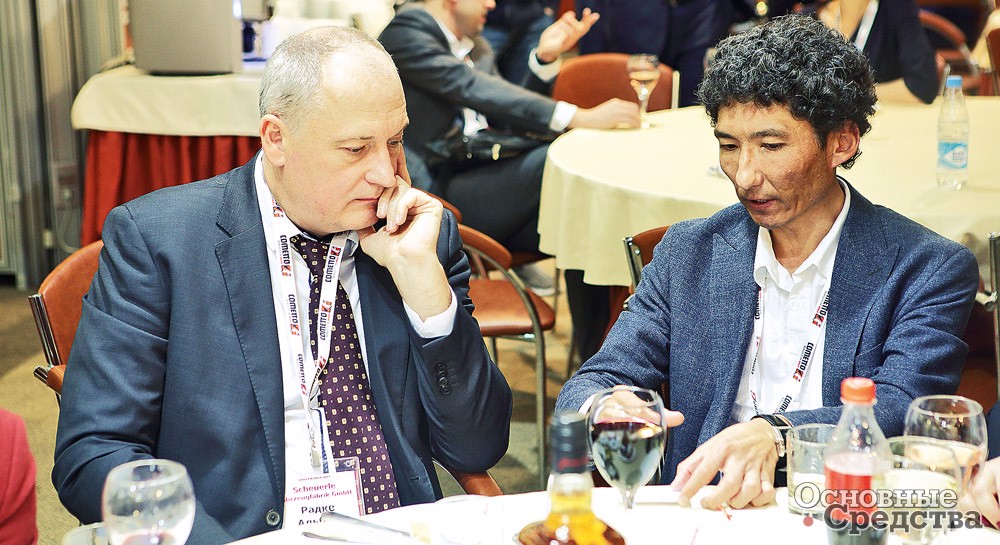
The 9th “Heavy Russia” conference concluded in Moscow on November 17, 2016. Over its nine-year history, the conference has become the industry’s largest event, recognized by businesses as a gathering point for ideas and a forum for discussing pressing issues. The conference is held annually, and this year the forum brought together over 320 delegates from 17 countries: Russia, Belarus, Uzbekistan, Turkmenistan, Kazakhstan, Iran, Germany, Turkey, Estonia, Latvia, Denmark, Finland, the Netherlands, Belgium, Austria, and the United States.
The conference opened with a presentation by Marat Yarullin, Head of Sales at Fesco Transportation Group. He noted that the past ten years have significantly changed the logistics landscape in general and project logistics in particular. Market barbarization has had a strong impact. Barbarization implies evasion of regulatory requirements, coupled with the corruption that undergirds such evasion. In other words, if a carrier offers legal transportation, they find themselves outside the market, as their offer cannot compete on price or even timeframe with those of carriers operating under shady schemes, violating all conceivable technical and ethical standards.
Evasion of regulatory requirements and going underground present a great temptation for entrepreneurs, and, as a rule, they are unable to resist it. Everything is happening in accordance with Milton Friedman’s precepts: people always seek money and profit, here and now. This is nothing new, but ultimately, barbarization has prevented the introduction of industry standards.
Other project logistics trends reported by M. Yarullin included the movement of oversized heavy-lift cargo (OHLC) following geological exploration in the Arctic zone, the active market for OHLC transportation in Central Asia, and the third trend—the crisis among large international carriers and the shift of customers to mid-sized transport companies.
In Russia, the main activity is observed in the central regions, with the energy sector accounting for 90% of orders, and this activity, related to the modernization of primary and additional capacities, is expected to continue over the next ten years. The chemical industry is supporting a number of major projects. M. Yarullin also noted the growth in the export segment of oversized equipment. This equipment is primarily energy equipment and, to some extent, petrochemical equipment. Exports are primarily routed through St. Petersburg.
A heated discussion took place between representatives of federal agencies and the business community during the interactive panel discussion “How to Organize the Transportation of Oversized Cargo within the Framework of Russian Law.” I would especially like to highlight the presentation by Konstantin Sergeyevich Ugarov, Director of the Federal State Institution “Center for Monitoring the Safe Operation of Highways of the Federal Road Agency,” who defended the government’s position. During the discussion, Ugarov and his colleagues clarified a number of regulatory provisions that still raise questions among the general public.
Another important topic of the conference was the development of wind energy in the country, which is becoming a new market for oversized cargo transportation in Russia. It is worth noting that by 2024, wind energy capacity in our country could reach 3.6 GW, and market turnover could reach 200 billion rubles. In less than 10 years, potential demand for wind farm construction in Russia, the production of wind turbines, components, and operation and maintenance services will approach 400 billion rubles. Rosatom alone expects to supply the Russian market with approximately 600 wind turbines with a total capacity of 1.6 GW in the next six to seven years.
Another growth area for the freight forwarding business is the state of specialized equipment production in Russia. This topic was addressed in a report by the Rosspetsmash Association. Denis Maksimkin, Deputy Director of the Association, cited the following statistics: agricultural machinery exports from Russia in the first half of 2017 increased by 50% to 4.1 billion rubles. Exports of harvesting equipment increased by 10.3% to 1,040 units, agricultural tractors by 2.2 times to 178, post-harvest equipment by 63% to 194, seeding equipment by 7 times to 407, and tillage equipment by 17.5% to 430. The main importers of Russian agricultural machinery in the first half of the year included the CIS countries, Europe, China, Canada, and Iran. Russian machinery exports currently extend to more than 50 countries.